
The Future Will Not Be Like the Past, The Future Will Not Be Like the Present
Challenging Listens for the New Year
At the start of a new year, I tend to apply the “new year, new me” mentality to the stuff I listen to. Be it exploring new bands, unfamiliar styles of music, or even languages I don’t understand, I enjoy gravitating towards music that pushes me in new directions. Here’s some albums I’ve enjoyed this year and in the past.
Hope All Well
Lego Indiana Jones
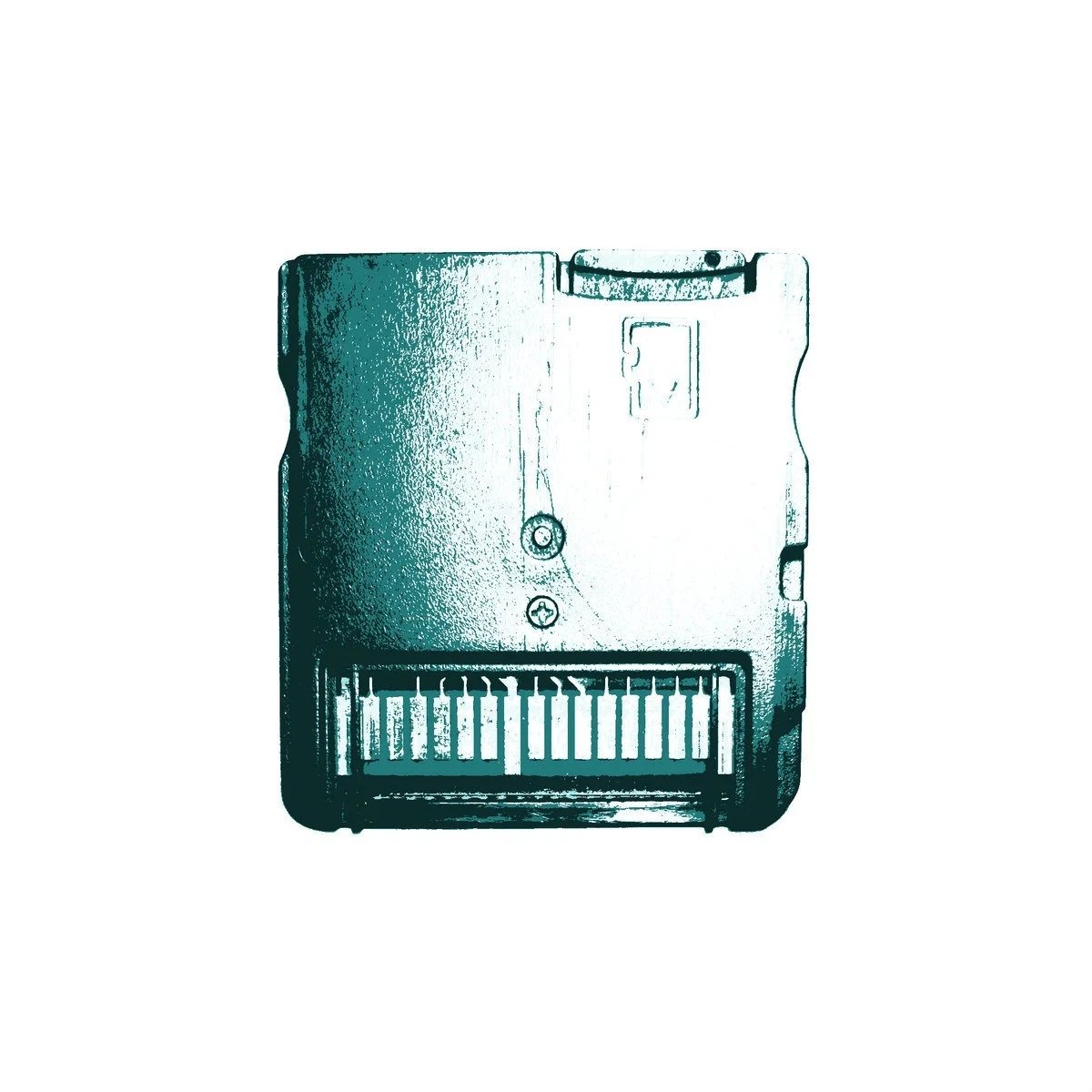
The first time I heard this album, shortly after it came out in January of 2024, was an incredibly impactful experience. Dublin’s Lego Indiana Jones have a style that is a fascinating melange of They Might Be Giants-esque geek rock, Car Seat Headrest-adjacent indie rock, and Black Country, New Road-inspired post rock. The album’s unconventional but surprisingly effective musical style–Pierce Comerford’s vulnerable vocals and piano, Thomas Kerr’s noodly bass and guitar, and Tom DePaor’s thrashing, technical drums–is
incredibly distinct from anything I’ve ever heard, and perhaps does a better job of conjuring forth scenes of small town life better than any of LIJ’s aforementioned influences. The band’s sense of humor can’t be ignored either, be it writing philosophical dissertations about “The Office,” insulting Elijah Wood, or styling their releases to look like imaginary Wikipedia and RateYourMusic pages. However, throughout their entire album, Comerford crafts a breathtaking emotional arc, culminating in the indescribable “People Like You.” The sheer power of some of the tracks cannot be adequately put into words, so I’d suggest you do your future self a solid and give this a listen.

Eisleriana
Hannes Zerbe Jazz Orchester
Not on Spotify, losers. If anyone actually reads this, I promise to upload this to YouTube or something for your listening pleasure. But anyway, this fascinating experimental jazz record, which I first came across while living in Germany, is just about the most challenging thing out there. Composer Hannes Zerbe uses the structure of the big band to create fascinating explorations that draw inspiration in equal parts from the eponymous Hanns Eisler and Frank Zappa. Even at the album’s most
straightforward, tracks like “Compact 3” are unafraid to spice up a driving rock rhythm with numerous tempo, key signature and style changes. Sit back and prepare to have your mind expanded.
(It (Is) It) Critical Band
90 Day Men
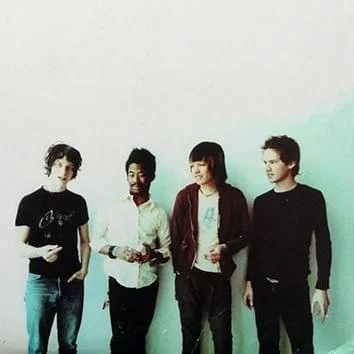
These guys’ music reminds me of the weirder parts of Geese, all done 25 years before it became cool. On their 2000 debut, the 90 Day Men put their all into making unique post-rock sounds, if something as sludgy, crunchy and generally uncomfortable as Critical Band could be classified as such. Whether leaning into mesmerizing grooves on “Dialed In” and “Super Illuminary” or banging around wildly on “Missouri Kids Cuss” and “Hans Lucas,” this band manages
the impressive feat of sounding fully different from bands that could be considered similar, such as Slint or Rodan. Listen to last year’s deluxe edition if you get the chance, as it expounds upon the 90 Day Men’s no wave influence in thought-provoking ways.
Emergence (The Process of Coming into Being)
Mwenso And The Shakes
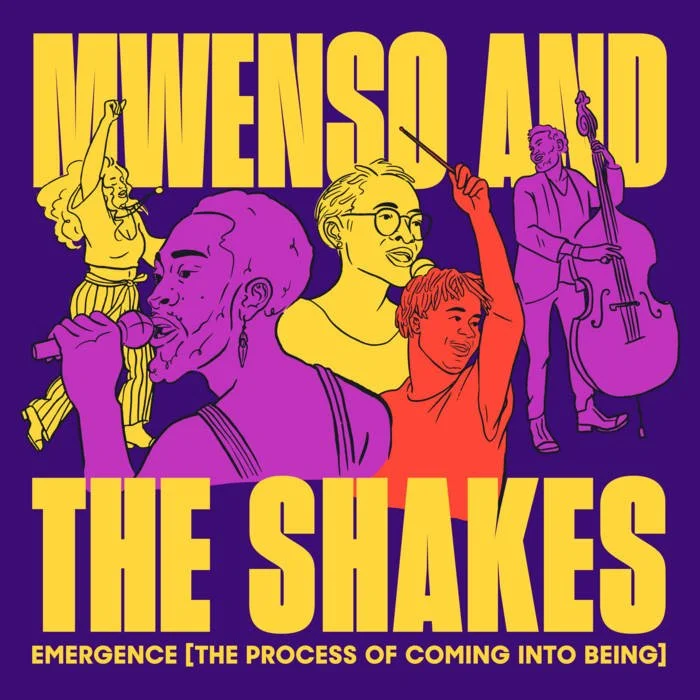
Unfortunately, I didn’t get to see Michael Mwenso’s veteran jazz fusion ensemble when they came through State College a few years ago, but this live album gives me a good sense of what I would have seen, without making me feel sorry that I missed it. That sounds like an insult, but the truth is the vibrant, soulful
energy of the band makes you feel like you’re really there. The music draws on a broad history of jazz and funk traditions, from Gershwin to Hoagy Carmichael to Monk to James Brown. Mwenso’s stirring, spiritual vocals are a true testament to his love for music, and are complemented throughout by accompaniment from Vuyo Sotashe. Easily one of the best live albums I’ve ever heard, and an essential listen if you’re looking for the hippest contemporary jazz out there.
Double Nickels On The Dime
Minutemen
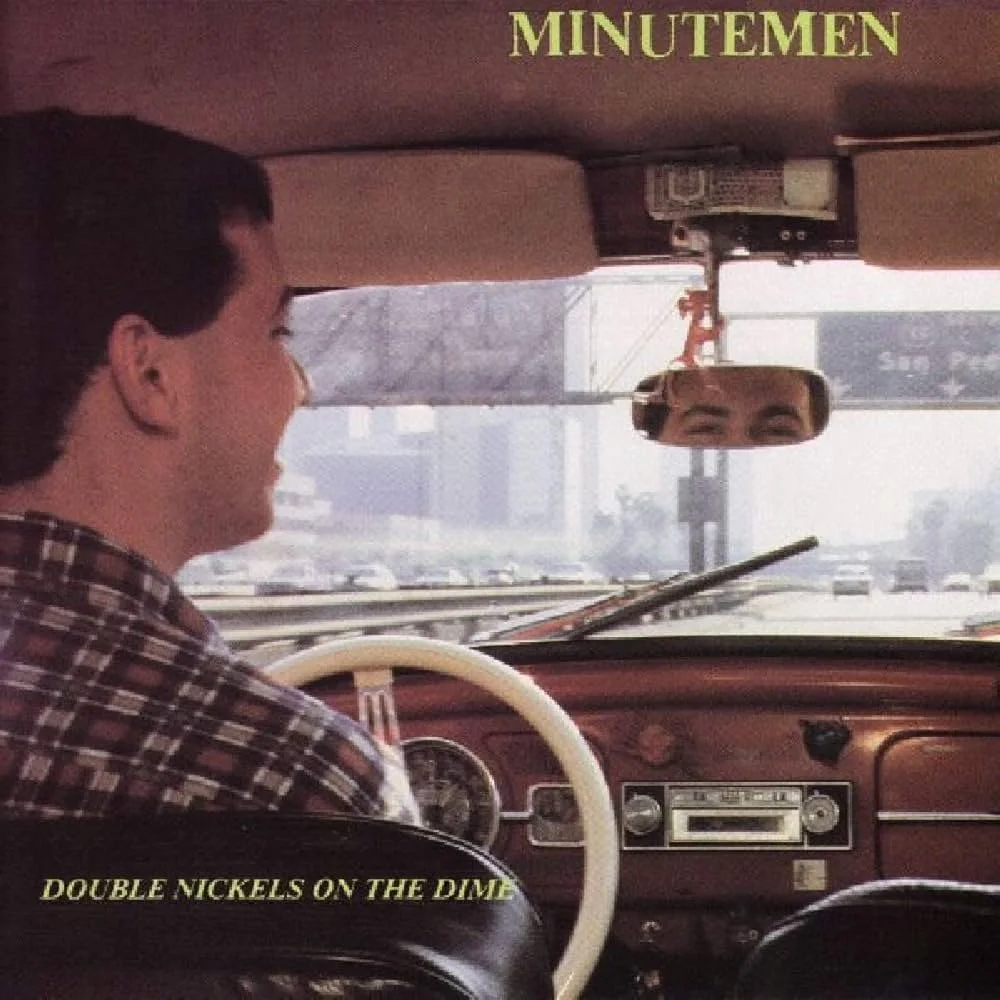
This legendary 1984 double album is more challenging in spirit than in body. As the story goes, the Minutemen responded to Hüsker Dü’s behemoth Zen Arcade by expanding their characteristic brevity into a 75-minute record of songs almost entirely under two minutes. Musically, listening to the San Pedro punks jam on unexpectedly groovy and
funky songs is just about the most enjoyable experience. However, Mike Watt’s lyrics complement the instrumentals in unexpected ways, creating what is possibly the most intellectually sophisticated record of the 1980s. Take, for instance, the humorously named “Political Song for Michael Jackson to Sing,” in which he states, “We cuss more in our psalms / And cut down on guitar solos” right before guitarist D. Boon launches into a guitar solo. Requires an impressive attention span but is ultimately worth it.
Emergency & I
The Dismemberment Plan
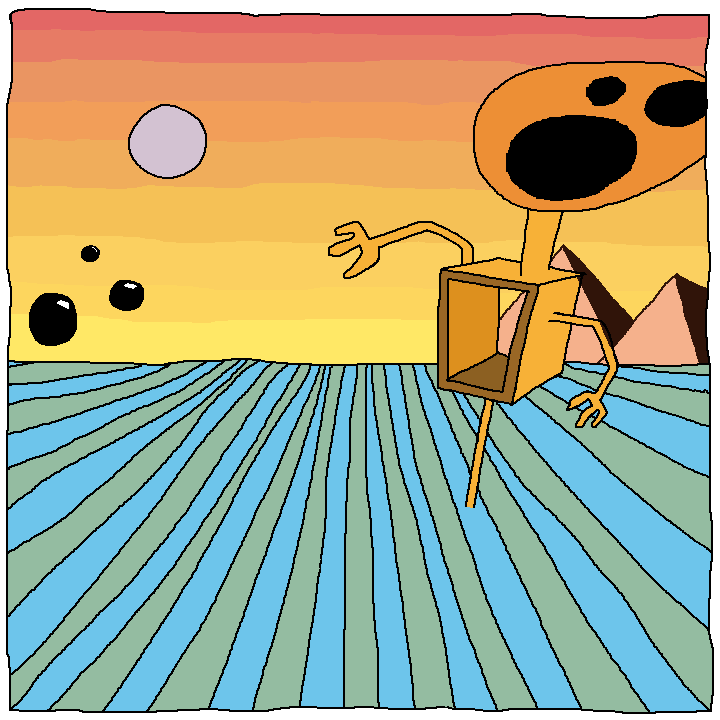
The Plan’s best-known album is easily their magnum opus. Travis Morrison’s angsty lyrics dig into the unspoken anxieties of post-college adulthood while the rest of the band plays some of the most rhythmically and melodically complex stuff out there. Generally, I tend to lose interest when music gets too “mathy,” but this album blends math rock, emo, and indie rock into something that’s bound to please fans of any of those genres. The band occupies the strange position of being a part of the Dischord/DC post-hardcore/emo scene
while sounding incredibly distinct from Fugazi, Rites of Spring etc. However, this is a good jumping off point for anyone trying to get into that kind of stuff.
Uchu Nippon Setagaya
Fishmans
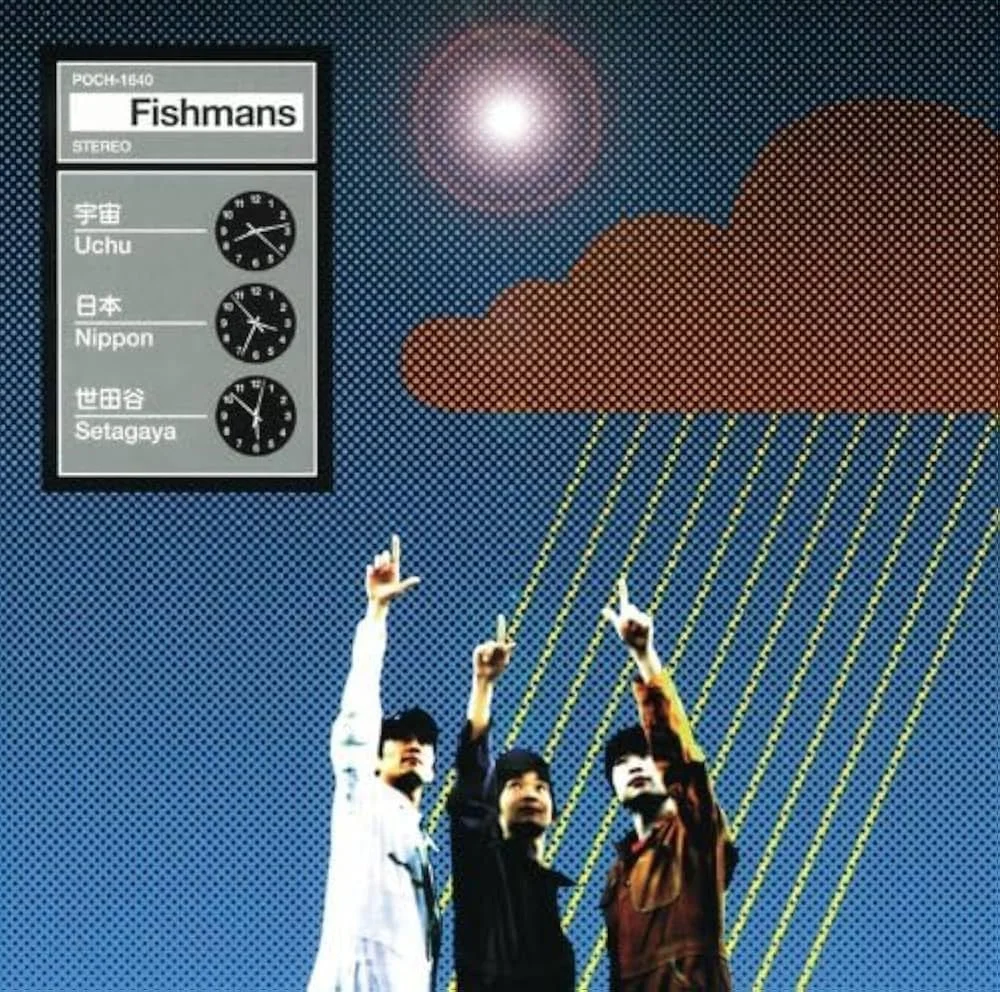
The stunning final work of Japanese dub/psych/dream pop legends Fishmans has the dubious honor of being the first non-English language album I’ve ever written about in this blog. Throughout the record, the band presents a unified vision of their sound, harnessing together their earlier experiments on Kuchu Camp and the 35-minute song Long Season. Some of the tracks, like “Pokka Pokka” and “Weather Report,” explore dreamy,
ethereal sounds buoyed by the ghostly affect of Shinji Sato’s voice. Others, like “Walking in the Rhythm,” present a more measured approach to the band’s classic dub. Despite coming out in 1997, this album still sounds unique and futuristic today.